New installation or upgrade: what your commercial wiring really needs
Every commercial property eventually faces a choice. A building that has served its purpose for years may start showing signs that its electrical system is struggling to keep up. Lights flicker when equipment starts. Breakers trip more often than they used to. A tenant wants to add more workstations, but the panel is full. At this point, someone must decide: is it time to upgrade the existing wiring, or should the building get an entirely new installation? The answer is rarely obvious, but understanding how each option works and when it fits can help a business owner or facility manager make a sound decision.
How the two approaches differ
A wiring upgrade replaces or reinforces parts of an existing electrical system. A new installation builds everything from scratch, usually starting at the service entrance. Upgrades tend to be less invasive and less expensive, but they work within the limits of the current infrastructure. New installations offer a clean slate, with modern components and the ability to match today's energy demands exactly. The right choice depends on the building's age, its current condition, and what the business plans to do in the next few years.
When an upgrade makes sense
Most commercial wiring upgrades happen in buildings that are basically sound but have outgrown their original electrical capacity. A typical scenario is an older office building where the original electrical panel and branch circuits were designed for far fewer devices. Today, every desk has a computer, a monitor, and a phone. The break room has a microwave, a refrigerator, and a coffee machine. The existing wiring may still be in good physical condition, but the load capacity is stretched thin.
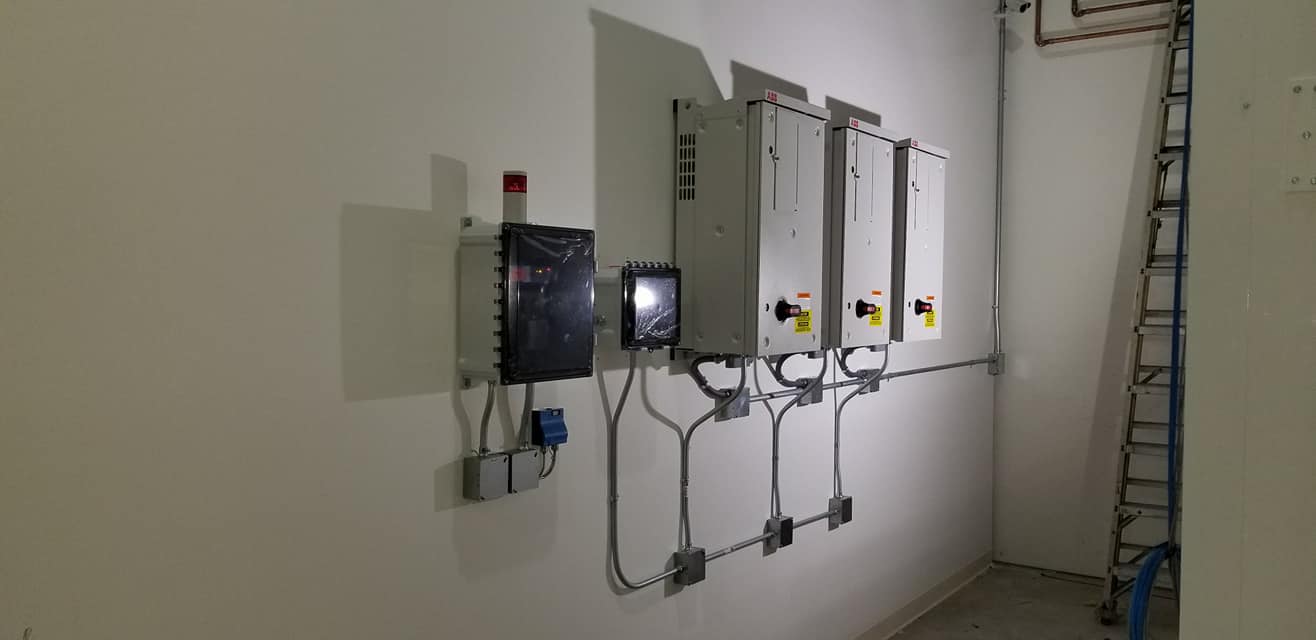
An upgrade in this situation might involve replacing the main distribution board with a larger one, adding new branch circuits, or upgrading the service entrance to handle more current. The work is contained. The walls stay mostly intact, and the business can often keep operating during the process with minimal disruption. This is the kind of work that falls under the umbrella of professional electrical improvements for facilities. It addresses the immediate problem without redoing everything that still works fine.
Another common reason to upgrade is code compliance. Electrical codes are updated regularly, and a building that was perfectly legal twenty years ago may now have several violations. An upgrade can bring the system up to current standards without the cost of a full replacement. For example, adding arc-fault circuit interrupters, upgrading grounding, or replacing outdated conduit can solve safety issues and pass an inspection.

When a new installation is the better path
A new installation becomes the right choice when the existing system is beyond repair or when the building is undergoing a major change of use. A warehouse that is being converted into a restaurant, for instance, will need far more circuits and different types of outlets than it had before. The old wiring may be undersized, poorly routed, or made of materials that are no longer approved. Trying to upgrade piece by piece in such a case often costs nearly as much as starting over, but leaves the system with compromises and odd junctions.
Similarly, a building that has suffered water damage, fire, or long-term neglect may have wiring with deteriorated insulation, corroded connections, or hidden faults. Patching that kind of system is risky. A new installation gives the owner confidence that every conductor, every splice, and every connection is clean and reliable. It also allows the electrician to plan the layout for maximum efficiency, placing panels and distribution boards where they make sense for the current floor plan rather than working around where someone put them decades ago.
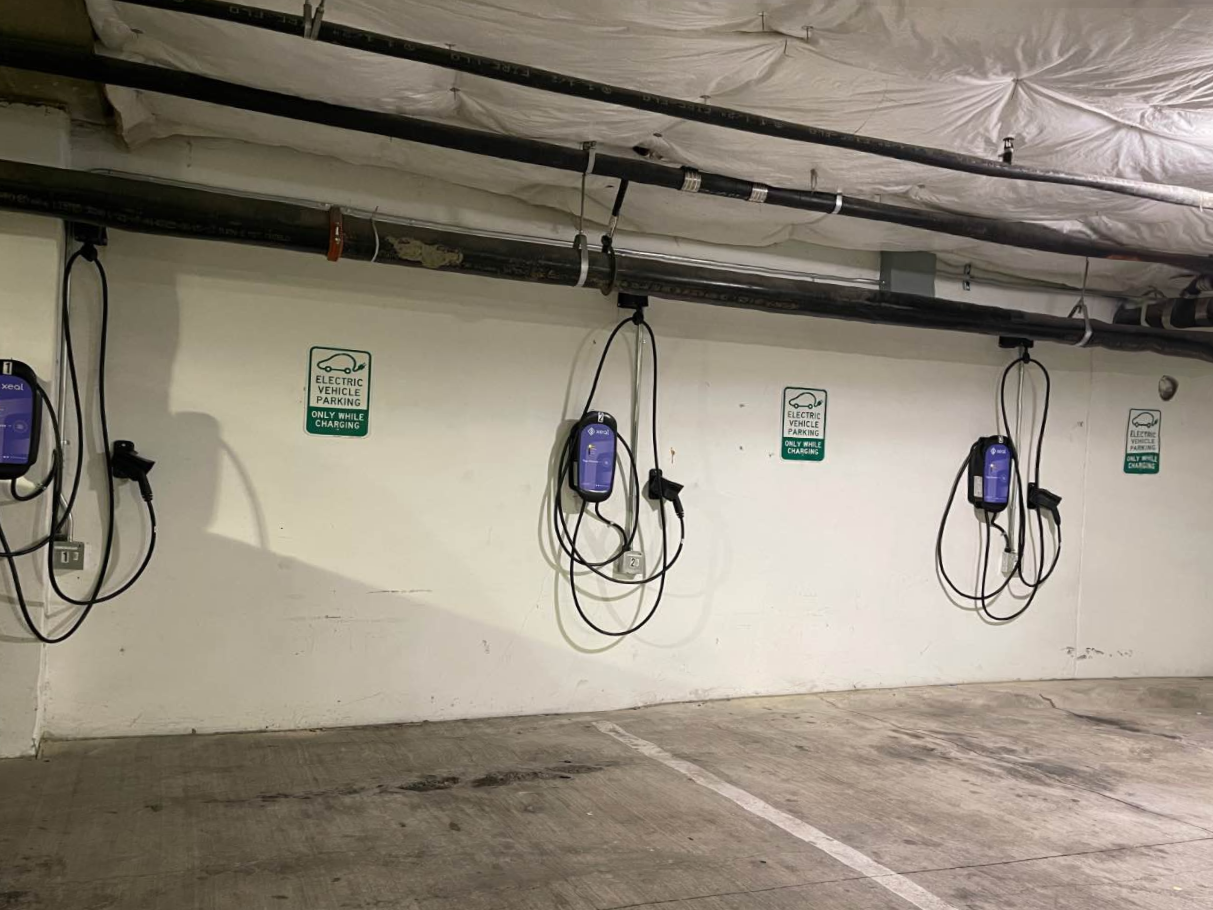
Energy demand is another factor. Modern commercial kitchens, data centers, medical offices, and manufacturing spaces draw power in ways that old buildings were never designed for. A new installation can include a properly sized service entrance, dedicated circuits for heavy equipment, and the conduit pathways needed for future expansion. It is a larger investment upfront, but it removes the guesswork about whether the system can handle the load.
What to look at before deciding
Before anyone chooses between an upgrade and a new installation, a thorough evaluation of the existing system is essential. A qualified electrician should inspect the main panel, the service entrance, the distribution board, and representative branch circuits. They will look for signs of overheating, corrosion, or physical damage. They will also check the age and type of the wiring. Older wiring types, such as aluminum branch circuits or cloth-insulated conductors, often require full replacement because they are no longer considered safe or reliable.
The building's future plans matter just as much as its current state. A business that expects to grow, add equipment, or change its operations in the next few years should lean toward a new installation or at least a very extensive upgrade. A business that is stable and just needs to fix a few trouble spots can usually get by with an upgrade. The key is to avoid doing work twice. Putting in a larger panel and a few new circuits today is fine if the building will have the same general layout and power needs next year. But if a full remodel is on the horizon, it makes more sense to wait and do the electrical work as part of that project.
The role of code compliance
Electrical codes exist to protect people and property. A building that fails to meet code can face fines, insurance issues, or liability in the event of an accident. When a significant upgrade or new installation is done, it must be permitted and inspected. This is not just a formality. The inspection process catches problems that might otherwise go unnoticed, such as undersized grounding, missing bonding, or improper conduit fill.
A common trap is thinking that a small upgrade can be done without a permit. Even a panel replacement or a new branch circuit usually requires one. Skipping the permit might save a little time and money, but it can create bigger problems later when the building is sold or when an insurance claim is filed. Any professional electrical improvements for facilities should be done with proper permits and inspections. It is the only way to be sure the work is safe and legal.
How to approach the decision
Start by getting a written assessment from a licensed electrical contractor. They should describe the condition of the existing system, list any code violations, and explain what parts of the system are at or near their capacity. Then ask for two proposals: one for an upgrade that fixes the immediate issues, and one for a full new installation. Compare the scope, the cost, and the expected lifespan of each option.
Consider the building's age. A building that is less than twenty years old and has been maintained well will almost always be a candidate for an upgrade. A building that is forty years old or more, especially one with original wiring, is often better off with a new installation. The same goes for buildings that have been remodeled multiple times with haphazard additions. Those systems can be a patchwork of different eras and materials, making future troubleshooting difficult.
Think about downtime. An upgrade can often be phased so that only parts of the building are without power at any given time. A new installation may require a longer shutdown, especially if the service entrance needs to be replaced or if new conduit runs must be cut into walls and ceilings. For a business that cannot afford to close, an upgrade that can be done over weekends or after hours might be the only practical choice.
The bottom line
There is no universal answer. An upgrade is the right call when the existing system is basically sound but needs more capacity or a few modern safety features. A new installation wins when the old wiring is worn out, the building is changing use, or the power demands are far beyond what the original system was built for. In either case, the work should be done by a qualified commercial electrician who understands the specific requirements of commercial properties. Taking the time to evaluate the situation carefully, rather than jumping at the cheapest option, will save money and frustration over the long run.